
Educational Insights on Energy and Nutrient Balance

Explore the science behind energy balance and nutrient distribution in men's daily diet. This educational resource provides information about natural food sources, balanced nutrition principles, and lifestyle awareness.

Educational content only. No promises of outcomes.

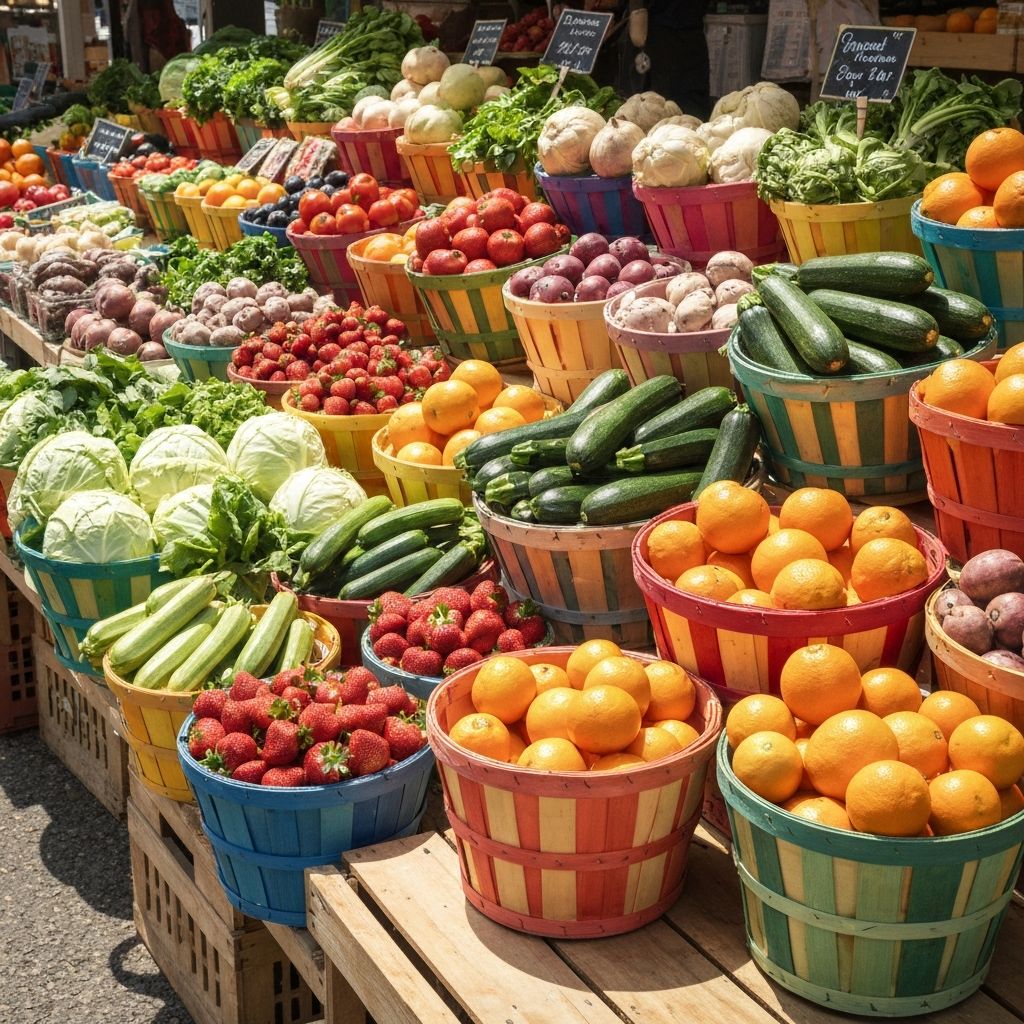
Fresh vegetables and fruits

Energy Overview

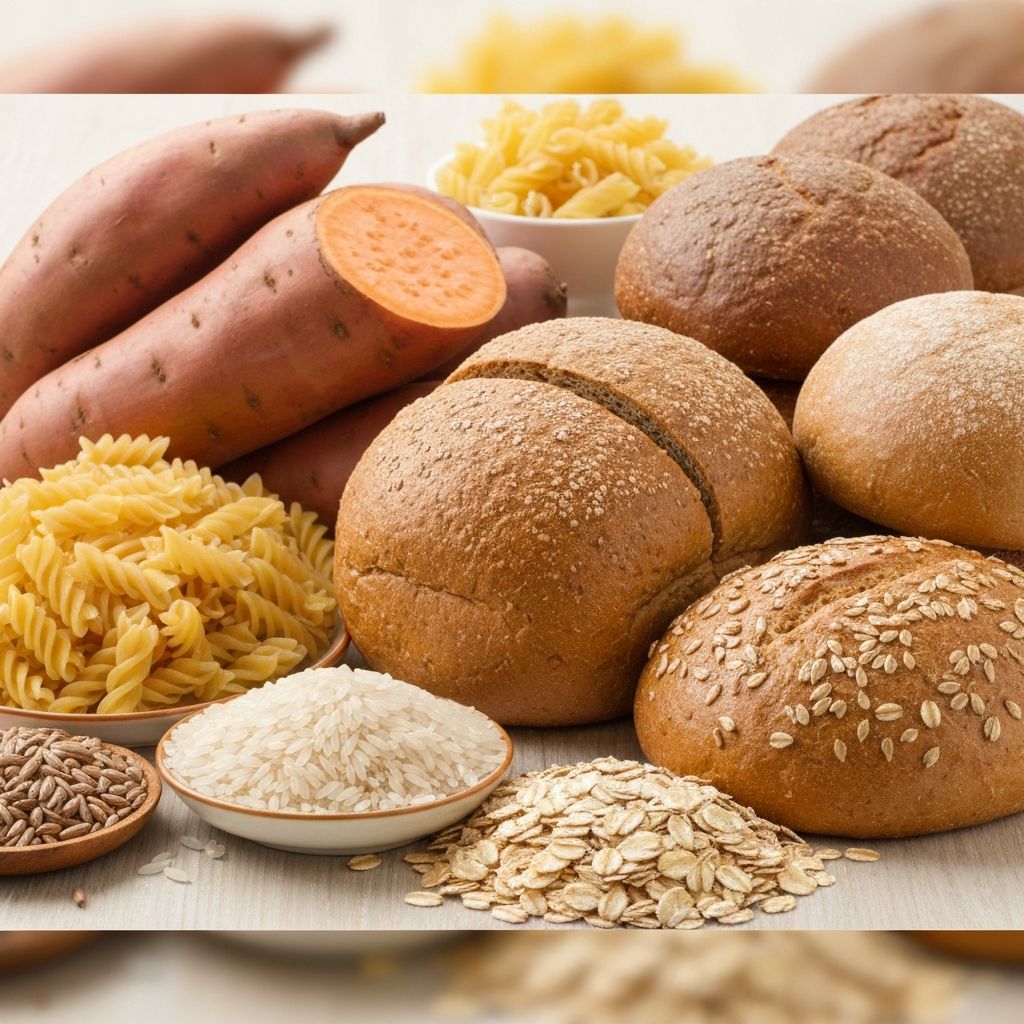
Whole grains and complex carbohydrates

Energy balance in daily nutrition involves understanding how the body processes and utilizes nutrients from various food sources. Complex carbohydrates from whole grains provide sustained energy throughout the day, supporting various bodily functions and daily activities.
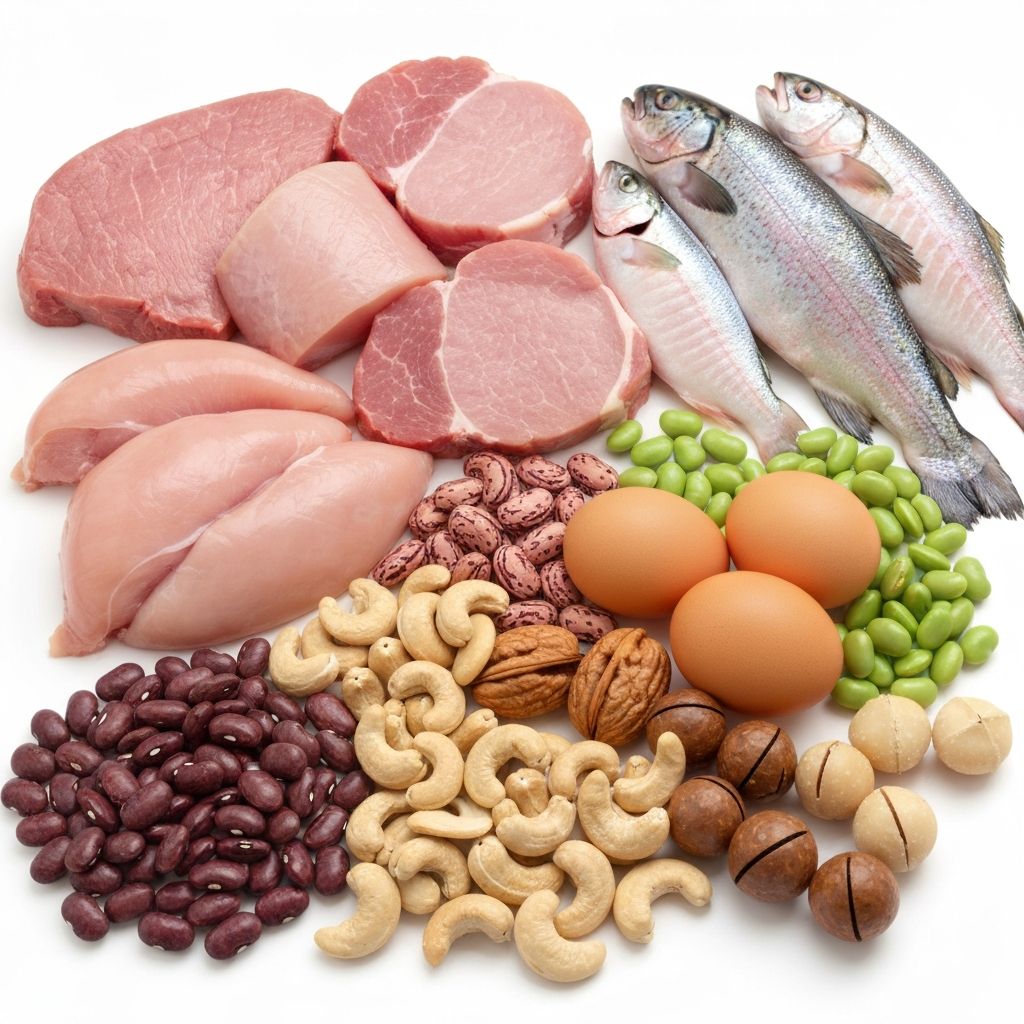
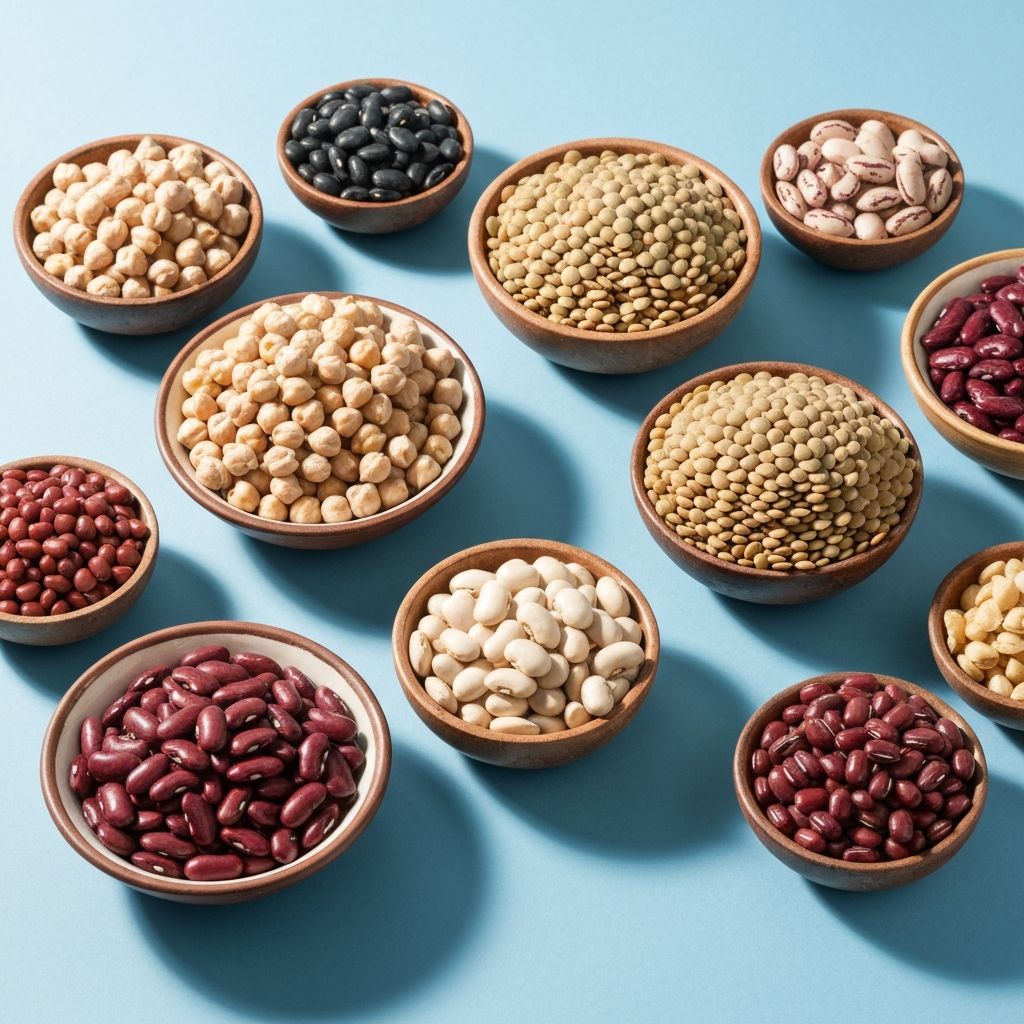
Protein sources

Protein-rich foods play an essential role in maintaining body structure and supporting metabolic processes. Natural sources include lean meats, fish, legumes, and plant-based alternatives that contribute to overall nutritional balance.
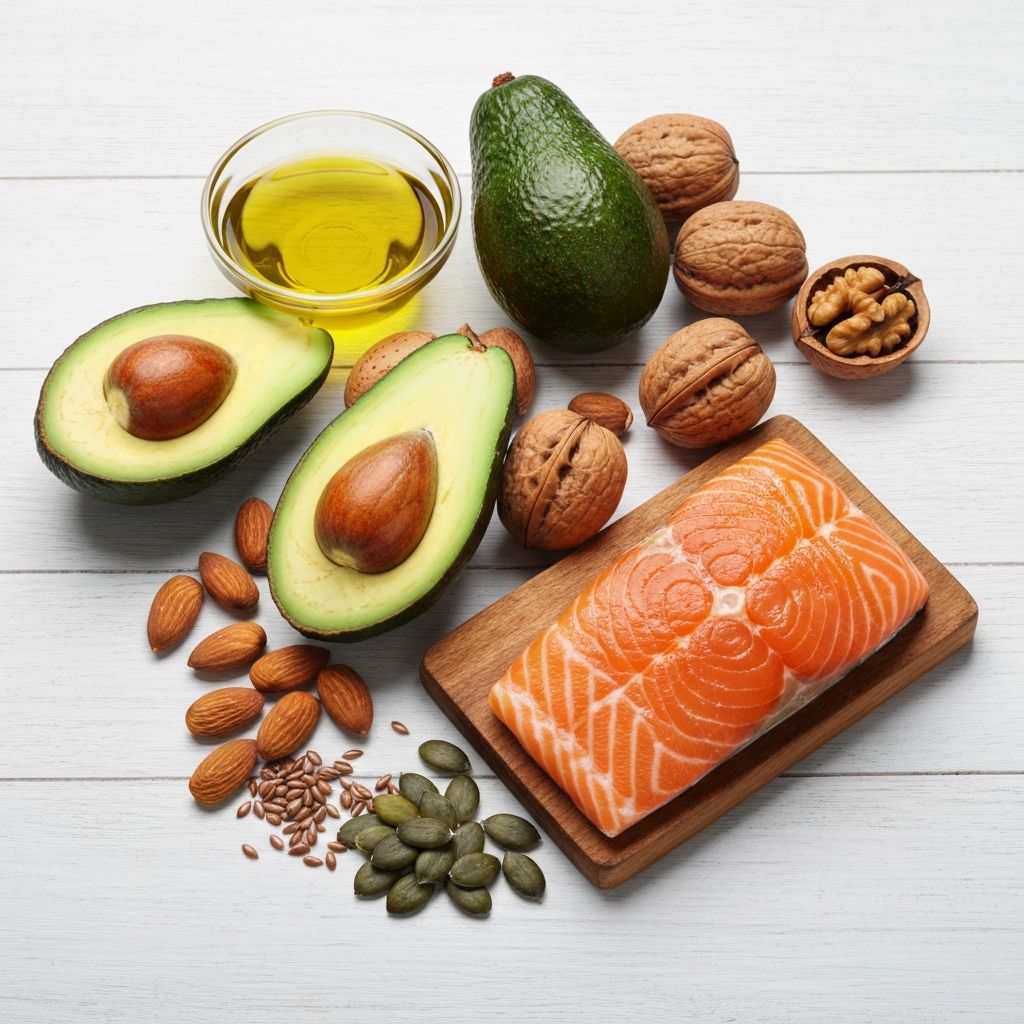
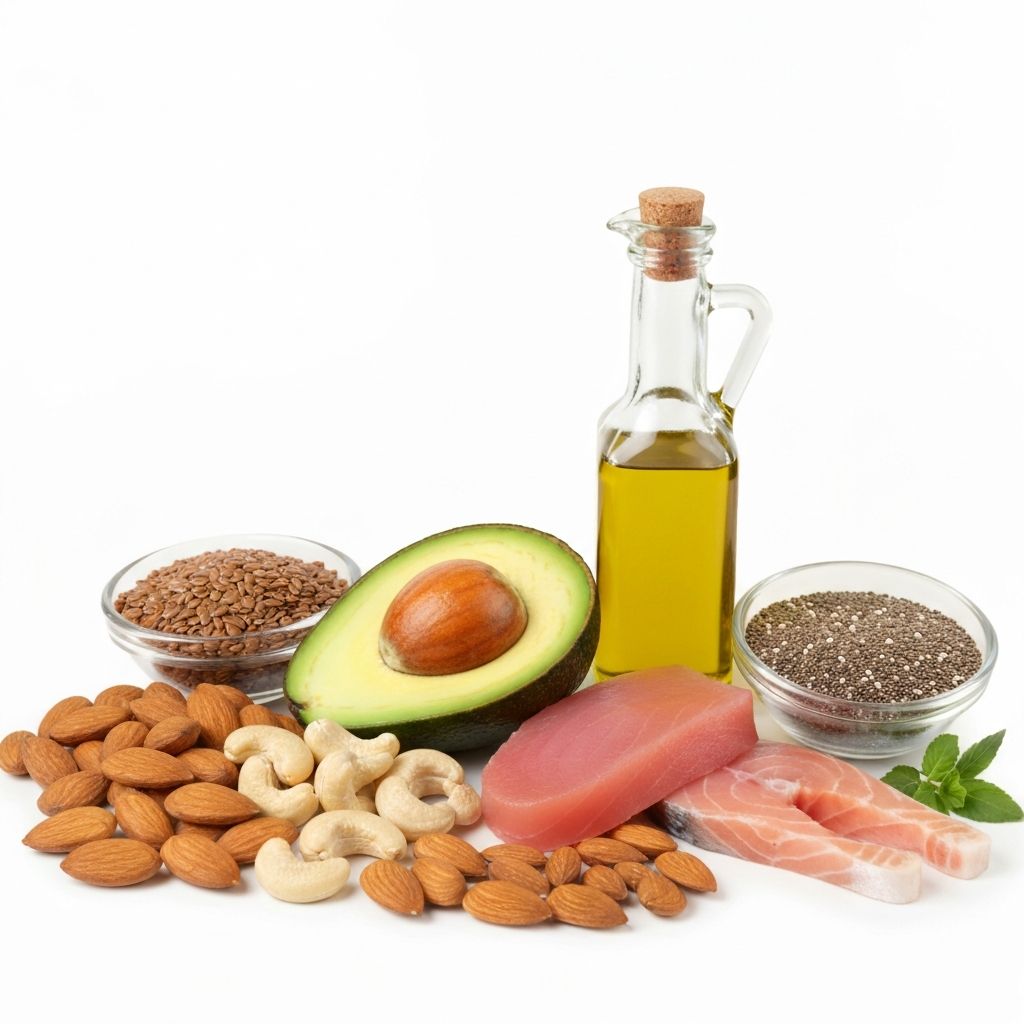
Healthy fats sources

Healthy fats from sources like avocados, nuts, seeds, and fatty fish contribute to various physiological processes. Understanding the role of different types of fats helps in making informed dietary choices aligned with individual nutritional needs.
Nutrient Balance Concepts

Nutrient balance refers to the distribution of macronutrients and micronutrients in daily food intake. This concept encompasses understanding how different food groups contribute to overall nutrition without prescribing specific amounts or ratios.

The body requires a variety of nutrients from diverse food sources. Whole foods provide naturally occurring vitamins, minerals, and other compounds that work together in complex ways. Educational awareness of these concepts helps individuals understand the general principles of balanced eating.

Natural Food Sources

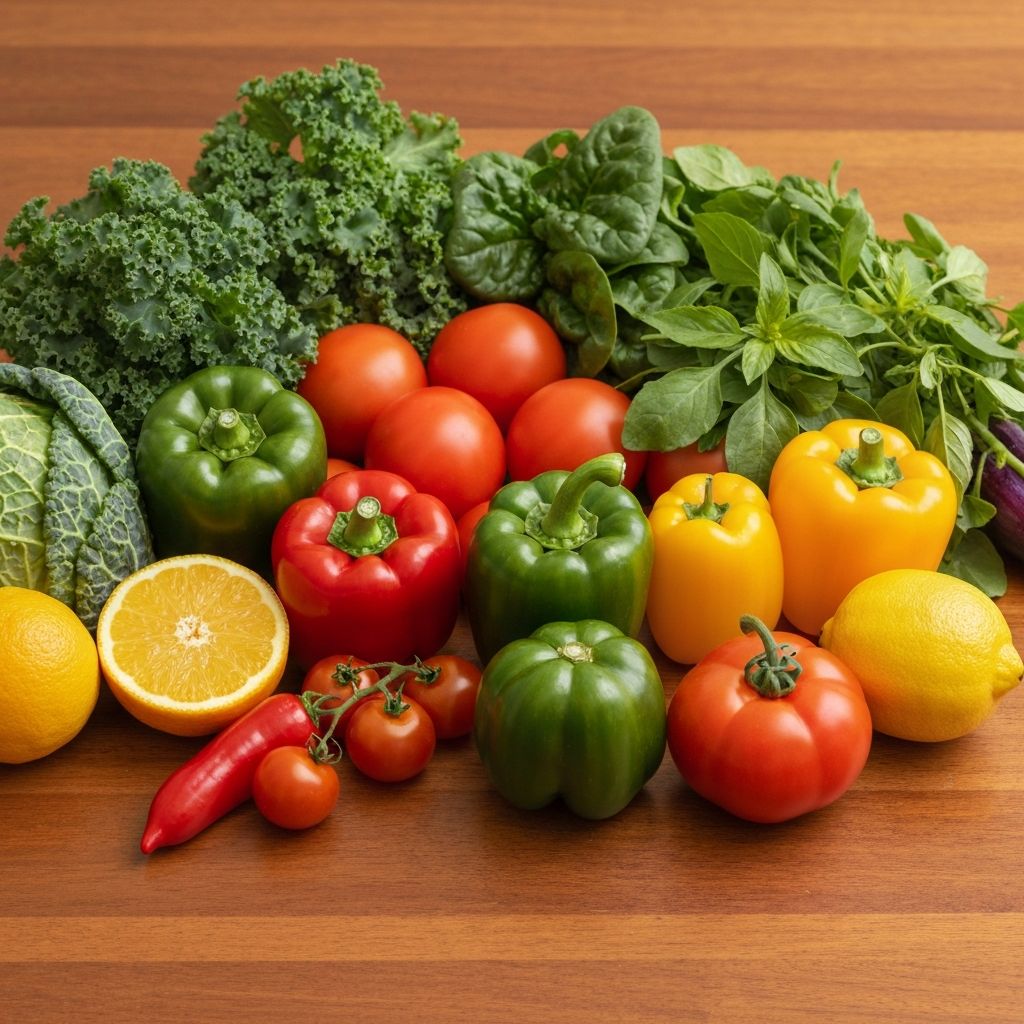
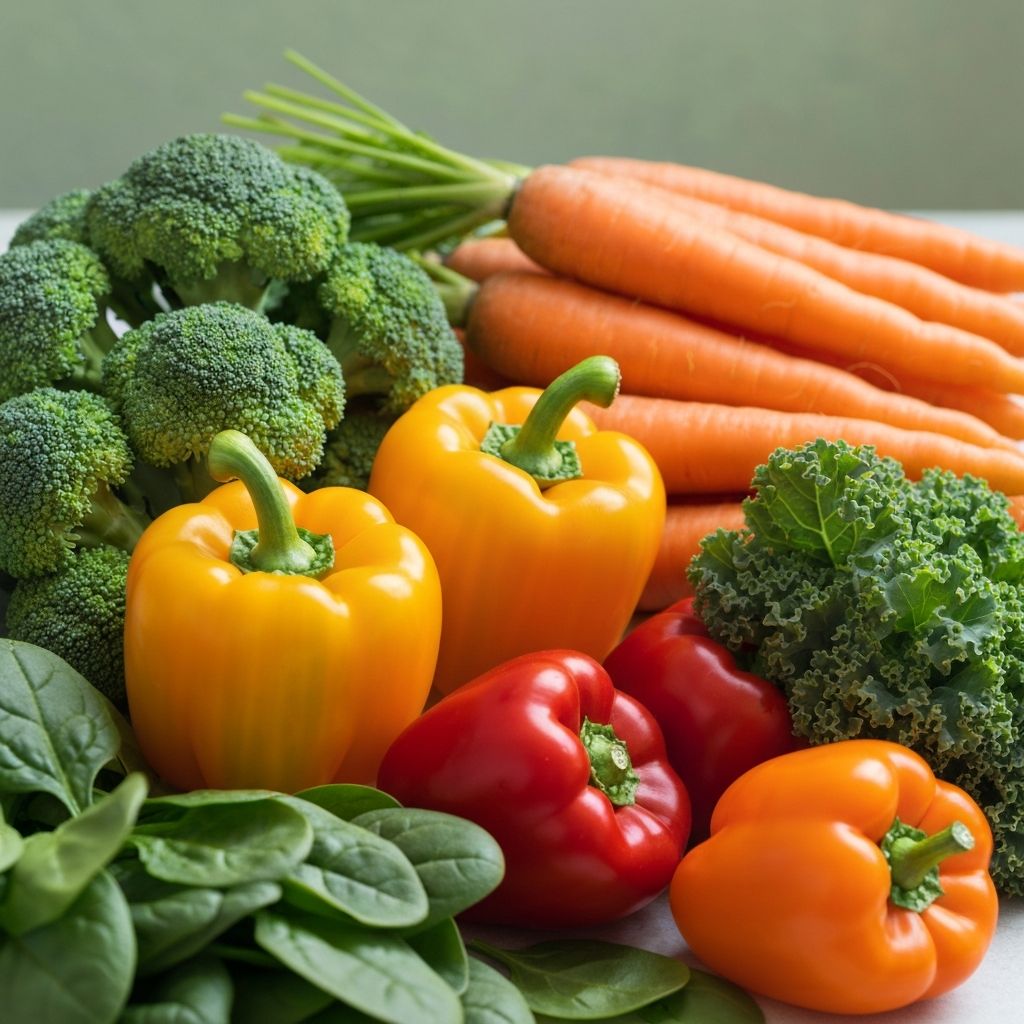
Colorful vegetables

Vegetables provide essential micronutrients and fiber. Leafy greens, cruciferous vegetables, and colorful produce offer diverse nutritional profiles. Different varieties contain different combinations of vitamins, minerals, and phytonutrients that contribute to overall dietary diversity.

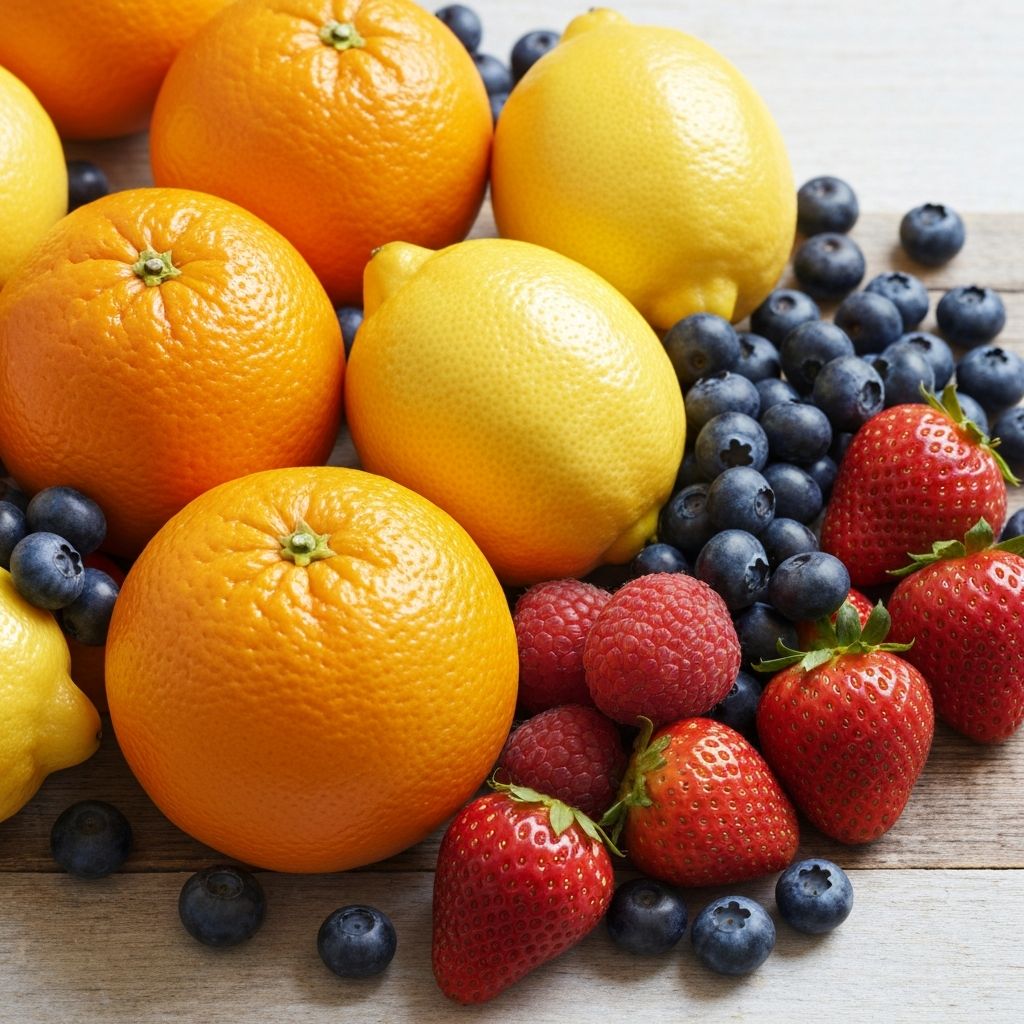
Citrus fruits and berries

Fruits offer natural sources of vitamins, antioxidants, and fiber. Citrus fruits, berries, and other seasonal produce provide various nutrients in their natural forms. Understanding the nutritional profiles of different fruits helps in creating varied and balanced meal plans.

Legumes and beans

Legumes and beans are versatile plant-based protein sources that also provide fiber and complex carbohydrates. These foods have been staples in various traditional diets worldwide and offer economical and nutritious options for balanced eating.

Balanced Diet Infographic

Macronutrients

Carbohydrates, proteins, and fats are the three main macronutrients that provide energy and support bodily functions. Each plays distinct roles in nutrition and metabolism.

Micronutrients

Vitamins and minerals are essential micronutrients needed in smaller quantities. They support immune function, bone health, and numerous metabolic processes throughout the body.

Hydration

Water is fundamental to all bodily processes. Adequate hydration supports digestion, nutrient transport, temperature regulation, and overall physiological function.

Seasonal Ingredients

Seasonal fresh produce

Seasonal eating involves choosing foods that are naturally available during specific times of the year. This approach often results in fresher produce with optimal flavor and nutritional content. Seasonal ingredients vary by region and climate.

Understanding seasonal availability can help in planning diverse menus throughout the year. Spring offers tender greens and asparagus, summer brings tomatoes and berries, autumn provides squashes and root vegetables, while winter features hearty greens and citrus fruits.

Macronutrients and Micronutrients

Protein-rich foods

Proteins are composed of amino acids and serve as building blocks for tissues. Different protein sources offer varying amino acid profiles. Animal sources provide complete proteins, while plant sources can be combined to provide all essential amino acids.

Carbohydrate sources

Carbohydrates serve as a primary energy source for the body. Complex carbohydrates from whole grains and vegetables provide sustained energy, while simple carbohydrates from fruits offer quick energy along with beneficial nutrients and fiber.

Healthy fats collection

Dietary fats support hormone production, nutrient absorption, and cellular function. Unsaturated fats from plant sources and omega-3 fatty acids from fish are commonly discussed in nutritional education regarding balanced eating patterns.

Scientific Insights

Nutritional science continues to evolve with ongoing research into how different nutrients interact within the body. Studies examine various dietary patterns, nutrient bioavailability, and the complex relationships between food intake and physiological processes.

Current research explores topics such as nutrient timing, food synergies, and the role of gut microbiota in nutrition. These scientific investigations contribute to our understanding of how dietary choices may relate to overall wellness, though individual responses to different foods can vary significantly.

Educational resources aim to present scientific findings in accessible language while acknowledging the complexity of nutritional science and the ongoing nature of research in this field.

Common Misconceptions

All Fats Are Unhealthy

Not all fats are created equal. Unsaturated fats from sources like nuts, avocados, and fish are important components of balanced nutrition. Understanding the differences between fat types is essential for informed dietary decisions.

Carbohydrates Should Be Avoided

Carbohydrates are a primary energy source. The quality and type of carbohydrates matter more than simply avoiding them. Whole grains, vegetables, and fruits provide valuable nutrients and fiber.

Protein Only From Meat

While meat is a protein source, numerous plant-based options exist. Legumes, nuts, seeds, and whole grains provide protein along with other beneficial nutrients and can be part of diverse dietary patterns.

Skipping Meals Saves Calories

Regular eating patterns support consistent energy levels and metabolic function. Skipping meals may lead to increased hunger and potentially less balanced food choices later in the day.

Lifestyle Awareness Tips

Balanced meal plate

Lifestyle factors extend beyond food choices alone. Physical activity, sleep patterns, stress management, and social connections all interact with nutritional aspects of daily life. A holistic view considers these various elements together.

Mindful eating practices involve paying attention to hunger and fullness cues, eating without distractions, and appreciating food quality and flavor. These practices can contribute to more satisfying eating experiences and better awareness of individual dietary patterns.

Meal planning and preparation skills support consistent access to balanced foods. Understanding basic cooking techniques and food storage methods enables more diverse and nutritious home-cooked meals.

Featured Natural Foods

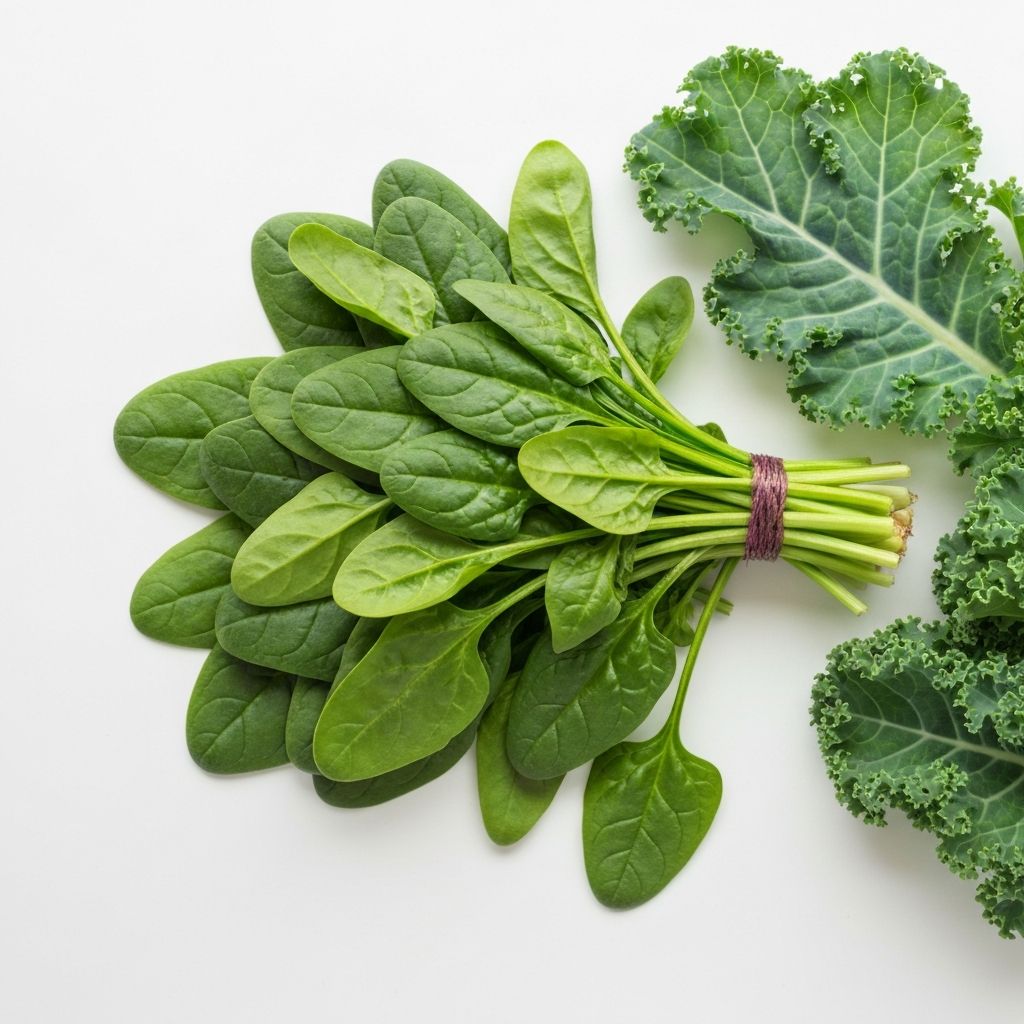
Leafy greens

Leafy Greens

Dark leafy greens like spinach, kale, and Swiss chard are nutrient-dense foods. They provide vitamins A, C, K, folate, and minerals including iron and calcium. These vegetables can be incorporated into salads, smoothies, or cooked dishes.

Learn more
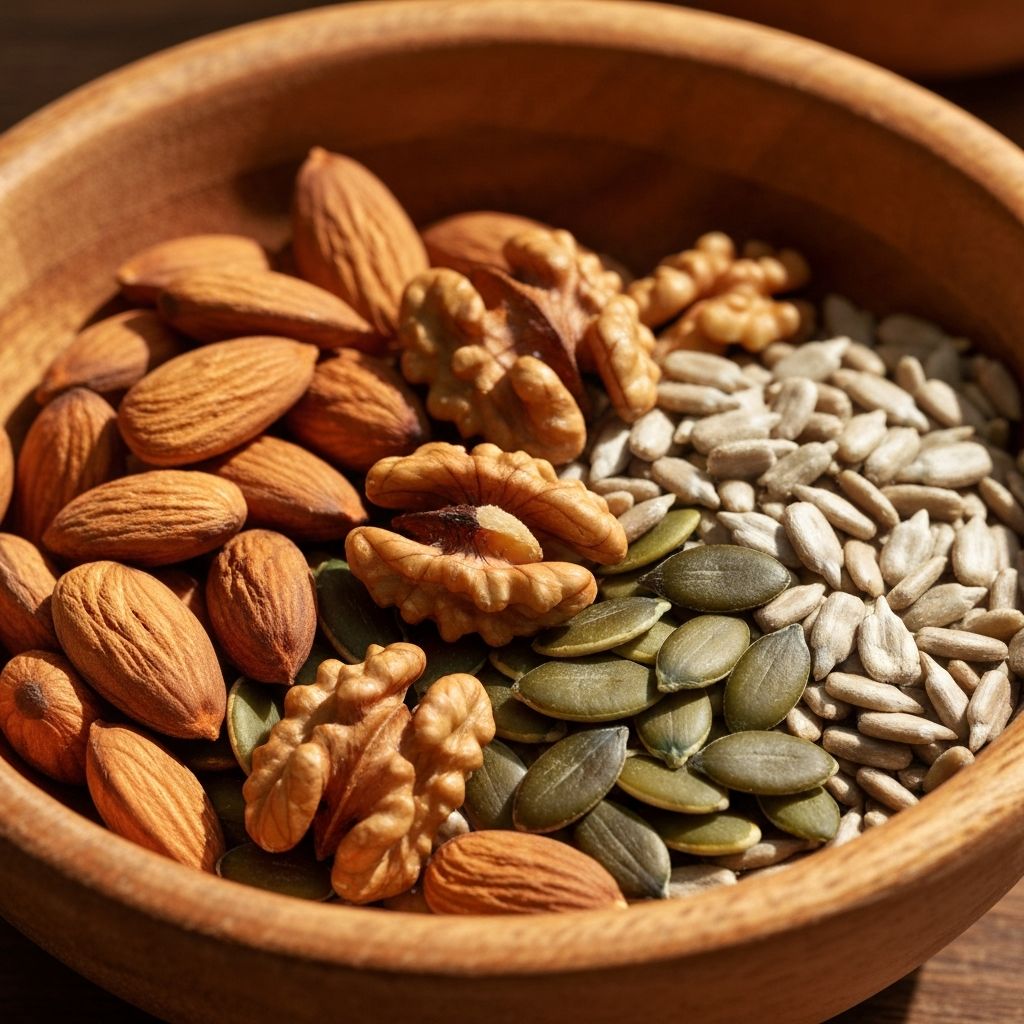
Nuts and seeds

Nuts and Seeds

Nuts and seeds offer protein, healthy fats, fiber, vitamins, and minerals. Almonds, walnuts, chia seeds, and flaxseeds are examples that provide diverse nutritional profiles. They make convenient snacks or meal additions.

Learn more
Salmon

Fatty Fish

Fatty fish like salmon, mackerel, and sardines are sources of omega-3 fatty acids, protein, and various vitamins and minerals. These fish have been studied for their nutritional composition and role in balanced dietary patterns.

Learn more

References and Studies

Nutritional information presented on this website is based on publicly available scientific literature and educational resources. Nutritional science is a complex and evolving field with ongoing research into various aspects of diet and health.

Readers interested in detailed scientific information are encouraged to consult peer-reviewed journals, university research publications, and official dietary guidelines from recognized health organizations. Individual nutritional needs vary based on numerous factors including age, activity level, and personal health considerations.

This website serves an educational purpose and does not provide individualized recommendations. For questions about specific dietary needs or health concerns, consultation with qualified healthcare professionals is appropriate.

Community Knowledge Hub

The field of nutrition encompasses diverse perspectives and approaches. Different cultural traditions offer various insights into balanced eating patterns developed over generations. Modern nutritional science continues to explore these traditional dietary patterns alongside contemporary research.

Educational nutrition resources aim to present information in accessible formats while respecting the complexity of nutritional science. Understanding that individuals have different nutritional needs and preferences is fundamental to nutrition education.

This knowledge hub provides general educational content about nutrition concepts, food sources, and lifestyle factors. It does not replace individualized guidance from qualified nutrition professionals or healthcare providers.

Limitations and Context

Educational Purpose: This website provides general educational information about nutrition and food sources. Content is informational in nature and does not constitute advice, recommendations, or guidance for individual circumstances.

No Individual Recommendations: Information presented here is not tailored to individual needs, health status, or specific situations. Individual nutritional requirements vary significantly based on numerous personal factors.

Diversity of Approaches: There are many valid approaches to nutrition and dietary patterns. What works well for one person may not be appropriate for another. This website presents general concepts without endorsing specific dietary methodologies.

Professional Consultation: For individual dietary guidance, health concerns, or specific nutritional questions, consultation with qualified healthcare professionals, registered dietitians, or nutritionists is appropriate and recommended.

Continue Learning

Explore more educational content about nutrition, food sources, and balanced eating concepts.

Read full article